Washington’s New Africa Playbook Runs Through Luanda — And It’s Built on Minerals, Not Aid
The United States has made Angola the showcase of a transactional, infrastructure-and-minerals approach to Africa. For Luanda, that’s leverage. But a strategy built on copper and rail carries risks that development aid never did.
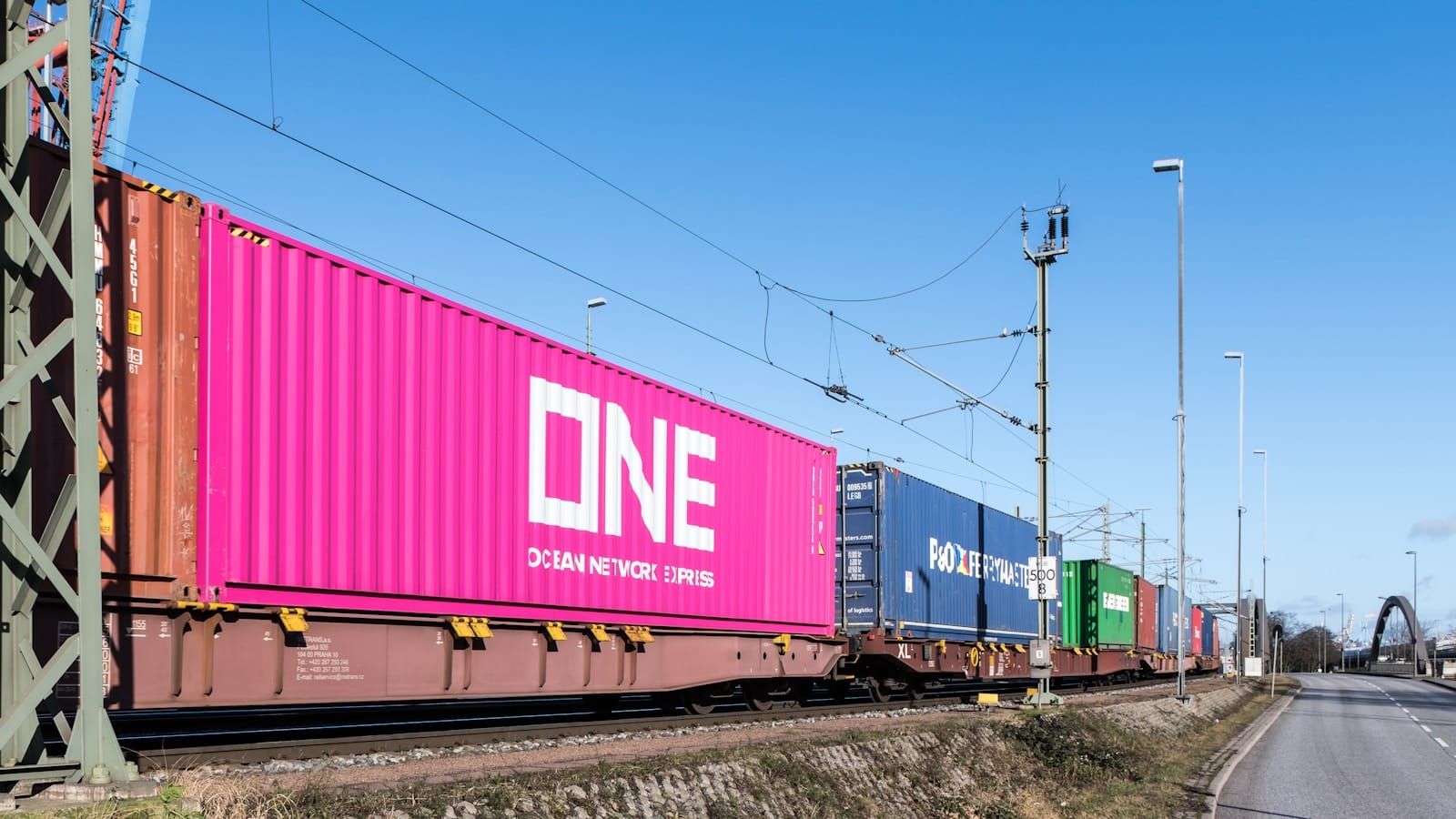
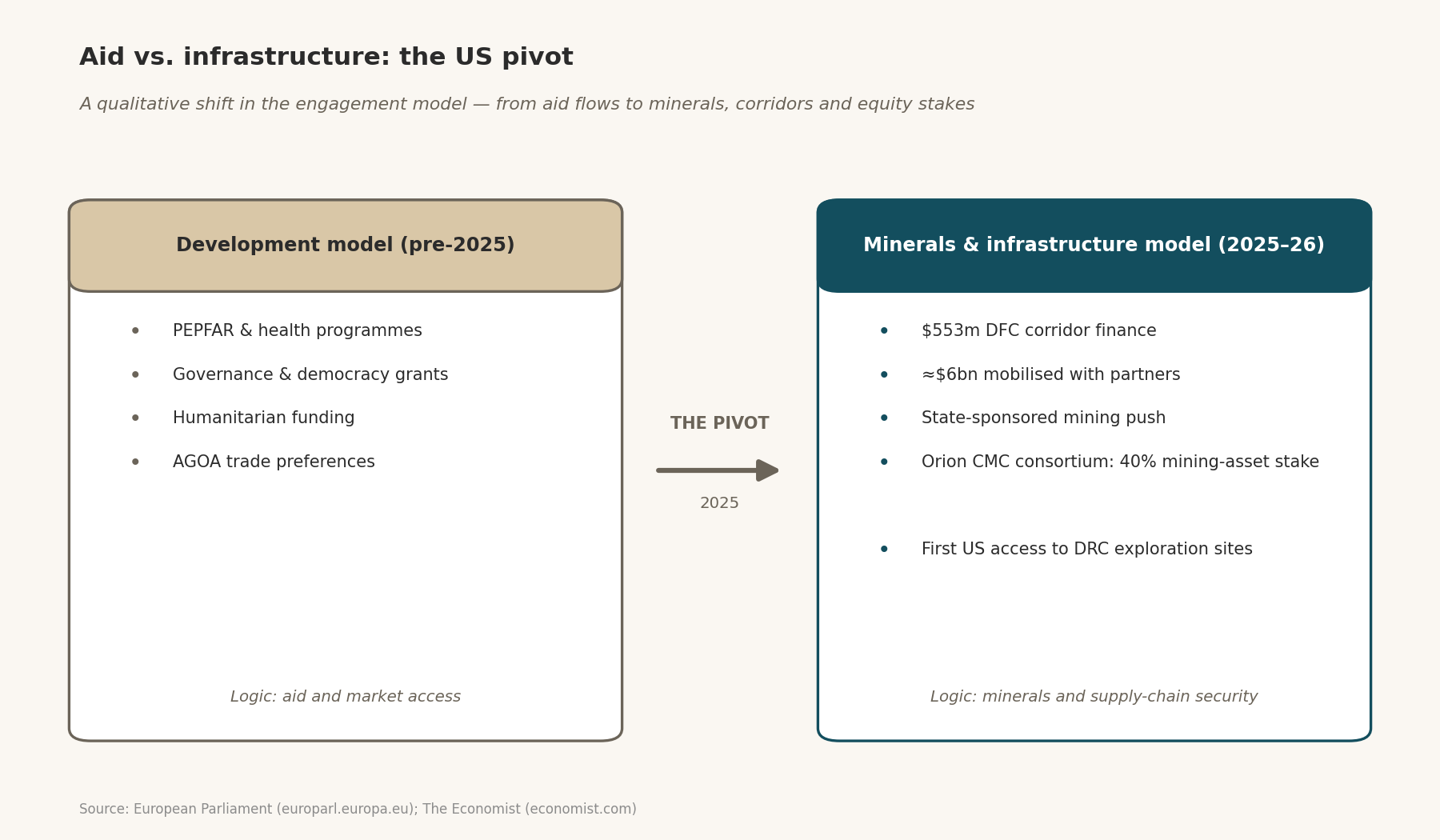
For decades, the template of US engagement with Africa was development assistance — health programmes like PEPFAR, governance grants, humanitarian funding, and the trade preferences of AGOA. It was an approach rooted in a post-Cold War theory that prosperity and stability in Africa were public goods worth underwriting, and that American influence flowed from generosity. In 2026, that template has been inverted. The new American approach is transactional, infrastructure-led, and explicitly competitive with China, and its flagship is the Lobito Corridor in Angola. The US Africa envoy has cited the corridor as the “model for ties” — a prime example of a new strategic direction (Al Jazeera). The question the corridor poses is whether “trade, not aid” delivers more durable results — or simply reroutes extraction.
From aid to minerals
The shift is stark, and Africa has felt its downside too: the sudden withdrawal of US development and humanitarian funding was significant enough that the European Parliament cited it as an opening for the EU to “step up as a reliable partner” (European Parliament). The retreat from aid was not gradual; it was abrupt enough to leave gaps in health and humanitarian programmes that other actors are now scrambling to fill (see Article 12 on the EU’s positioning). For African governments long accustomed to Washington as a donor, the pivot required a rapid recalibration of what the United States now offers — and expects in return.
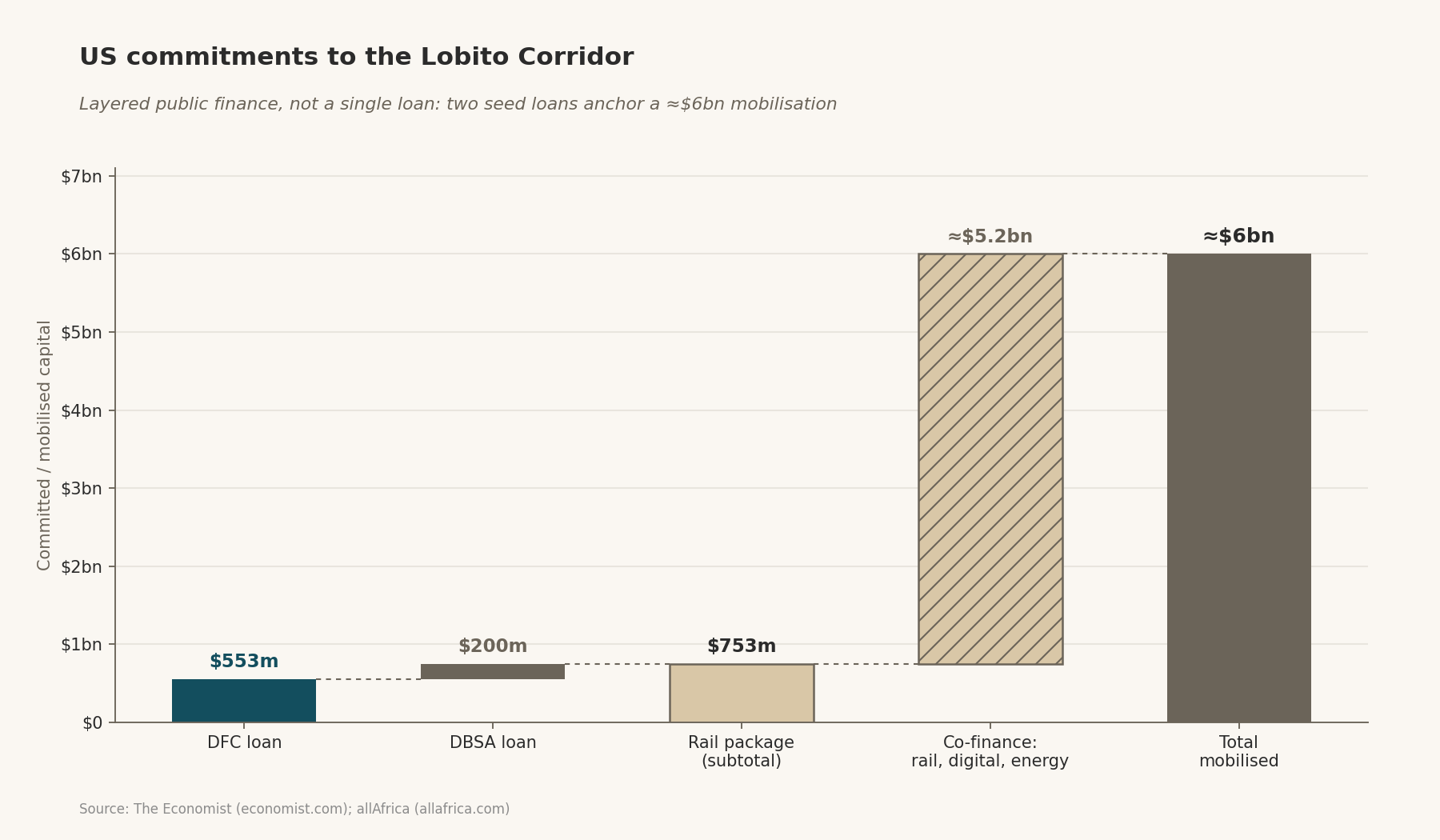
In place of aid, Washington is offering finance for things it wants: in December, US businesses obtained their first opportunity to access mining and exploration sites in the DRC, and the US government committed $553 million to the Lobito Corridor precisely to speed mineral shipments to the United States (The Economist). By April 2026, US officials said around $6 billion had been mobilised for the corridor across rail, digital connectivity and energy (allAfrica). This is what The Economist called “America’s new era of state-sponsored mining” — with US firms now increasingly active and a US-government-backed consortium led by Orion CMC agreeing in February to acquire a 40% stake in mining assets (The Economist). The direct government backing of private mineral acquisition marks a departure from the free-market orthodoxy Washington traditionally preached — a recognition that in a contest with a state-directed Chinese mining sector, purely private capital cannot compete alone.
Why Angola said yes
Angola’s embrace of Washington is not naïve. Luanda has become, in the words of one critical account, “one of the most pro-US regimes on the continent,” with AFRICOM deepening military cooperation under the framework of “preventative security assistance” (World Socialist Web Site). For a government paying down Chinese debt and diversifying its creditors, US-backed infrastructure is both capital and geopolitical insurance (Reuters). The logic connects directly to the strategy examined in Article 5: by welcoming US rail money as it retires Chinese loans, Angola avoids replacing one dependency with another and instead widens its field of options.
The framing from Washington emphasises mutual benefit: US officials describe the corridor investments as “building strategic infrastructure that benefits businesses, workers, and security” (allAfrica). The US aims to “accelerate its leadership” in the corridor as strategic logistics infrastructure for Angola and Southern Africa (allAfrica). But Luanda is not simply a grateful recipient. It is extracting from Washington the capital, credibility and security cooperation it needs — while keeping its yuan integration and Gulf partnerships intact. The relationship is a negotiation, and Angola is negotiating from a position of growing leverage precisely because it has other suitors.
The risks of a minerals-first bargain
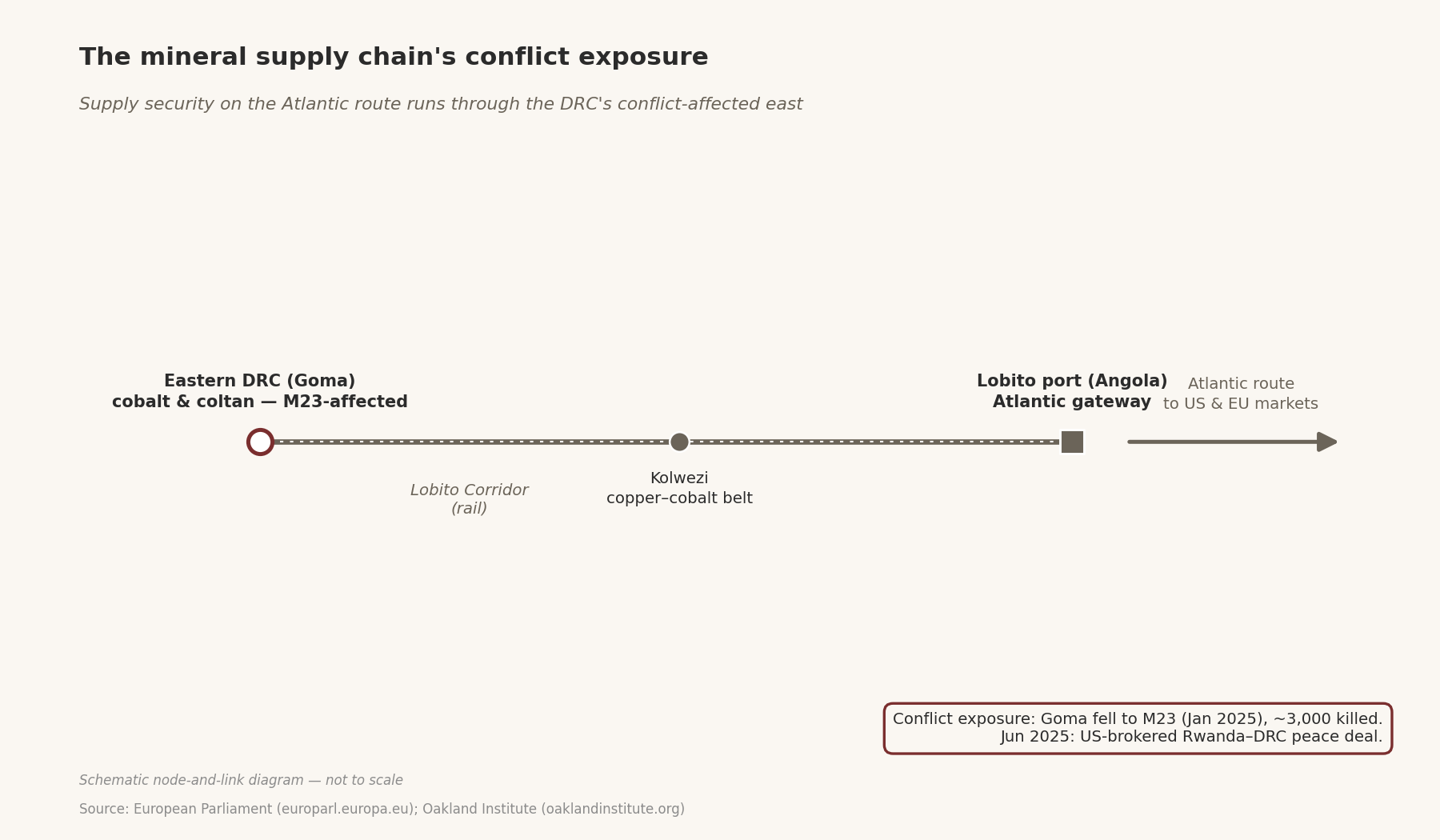
A strategy built on extraction carries risks that grants did not. The most acute is that the minerals at the heart of the deal come partly from a war zone. The eastern DRC, source of much of the world’s cobalt and coltan, has been convulsed by the M23 rebellion, which captured Goma in early 2025 in fighting that killed an estimated 3,000 people in under two weeks (European Parliament). A June 2025 US-brokered peace deal between Rwanda and the DRC has been criticised by some analysts as “entrenching the extraction of minerals under the guise of diplomacy” (Oakland Institute). A minerals-first foreign policy inevitably ties American credibility to the governance of the mines it depends on: every human-rights abuse, every conflict-financing scandal, every environmental failure at a supplying mine becomes, by association, a reputational liability for Washington. Aid could be delivered at arm’s length from such controversies; a supply chain cannot.
The second risk is delivery. The Lobito railway was suspended indefinitely after April 2026 floods damaged bridges (Reuters). Infrastructure diplomacy lives or dies on whether the infrastructure works — and Kenya’s Chinese-built railway is the cautionary tale of a marquee line that became “a major financial burden” (Africa Defense Forum). A signature project that stalls, floods out, or fails to attract freight does not merely waste money; it discredits the entire “model for ties” that Washington has built its Africa narrative around. The third, quieter risk is durability of political will: aid programmes survived changes of administration; whether a transactional, deal-by-deal strategy commands the same institutional staying power remains untested.
The New Axis read
The Angola–US relationship is neither a triumph of Western values nor a cynical resource grab — it is a negotiation between a superpower that wants minerals and supply-chain security and a mid-sized African state that wants capital and strategic room to manoeuvre. Angola is playing the US, China and the Gulf against one another with some skill, converting great-power competition into leverage rather than submitting to any one patron. The open question is whether Washington’s transactional model can deliver durable development for Angolans — jobs, processing, technology transfer — or whether it simply reroutes the extraction of raw materials toward a different ocean.
That distinction is the whole game. If the corridor and the mineral deals bring refining, employment and skills to Angolan and Congolese soil, the “trade not aid” model will have proven that self-interest and development can align. If they merely accelerate the export of unprocessed ore to American factories, the model will look, from the African side, like the old extraction with a new flag. On that question, the trains — and the peace in the mines — will have the final say.
Charts & visuals
X: The US has rewritten its Africa playbook — less aid, more minerals. Angola’s Lobito Corridor is now the “model for ties,” with ~$6bn mobilised. But the copper comes partly from a war zone, and the trains keep flooding out. 🧵
LinkedIn: Washington’s Africa strategy has flipped: from development aid to a transactional, minerals-and-infrastructure model, with Angola’s Lobito Corridor as the showcase. For Luanda, it’s leverage and capital. But a foreign policy built on copper and cobalt ties US credibility to conflict-zone mines and flood-prone railways. New Axis Media examines the new bargain.
Author
Sign up for New Axis Media newsletters.
Stay up to date with curated collection of our top stories.