AfCFTA in Practice: What “Africa’s Free Trade Area” Actually Means on the Ground
On paper, the African Continental Free Trade Area is the world’s largest free-trade zone by membership. In practice, its progress is uneven, corridor-by-corridor and country-by-country — and that granular reality is where the real story lives.
The African Continental Free Trade Area is the continent’s boldest economic project since independence: a single market spanning most of Africa’s economies and hundreds of millions of consumers. Its promise is to do for Africa what regional integration did for Europe and Asia — turn a patchwork of small, fragmented national markets into a scale worth building factories for. But the gap between the treaty and the reality is where the New Axis lens earns its keep. In 2026, AfCFTA is not a switch that has been flipped — it is a patchwork of domestication, tariff schedules, and trade corridors advancing at wildly different speeds.
The numbers, and what they actually show
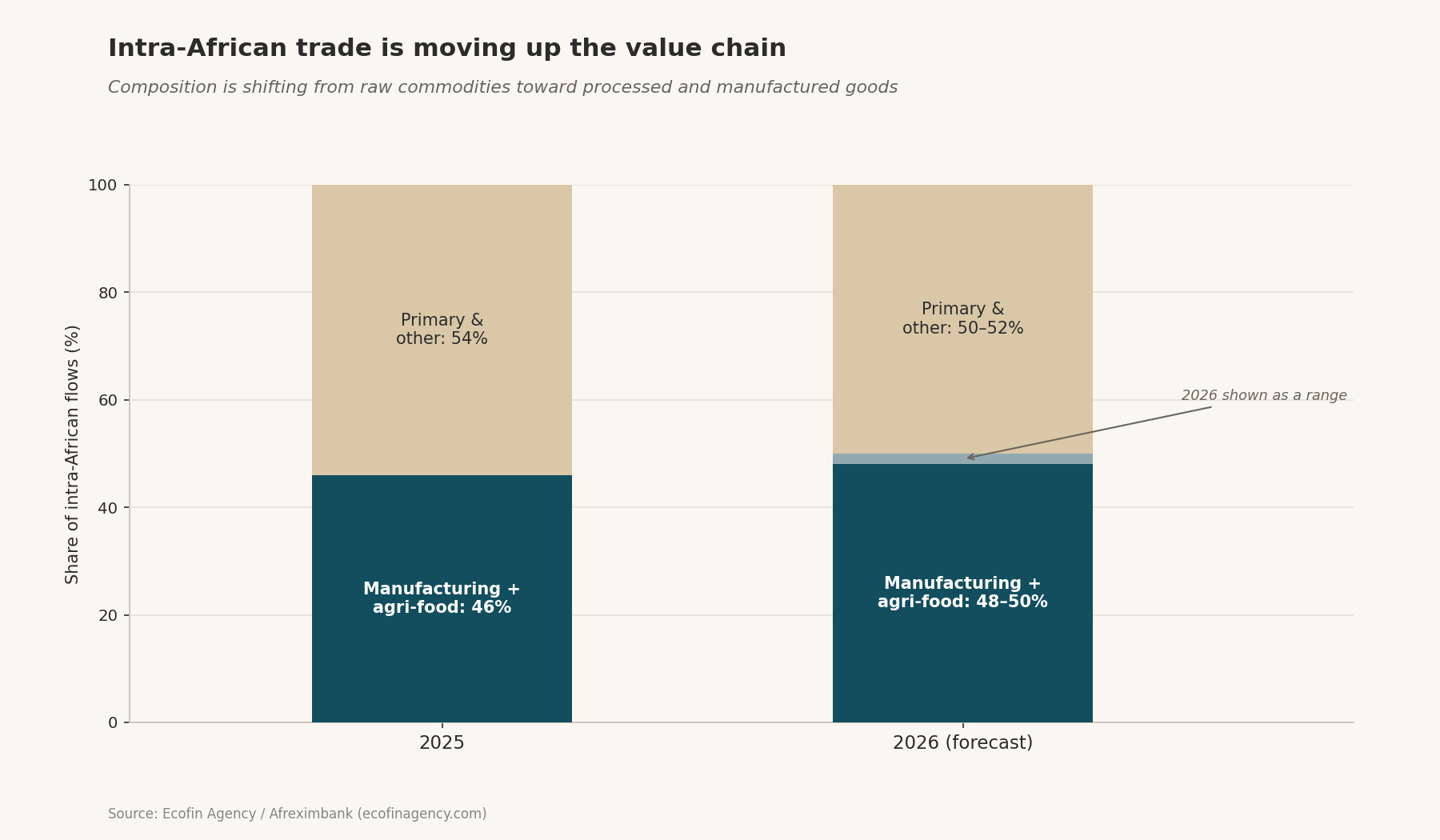
The direction of travel is real. Intra-African trade is forecast to grow 10% in 2026 to $230 billion, up from $210 billion in 2025, driven by AfCFTA implementation, according to a report by the African Export-Import Bank (Ecofin Agency). Encouragingly, the composition is shifting up the value chain: manufacturing and agri-food sectors are expected to account for 48% to 50% of intra-African trade flows in 2026, up from 46% in 2025, offsetting a slowdown in commodity trade (Ecofin Agency). That is precisely the pattern AfCFTA was designed to encourage — Africans making things for other Africans, rather than merely exchanging raw materials.
But the scale should be read honestly. In 2026, the share of intra-African trade in the continent’s total trade is expected at just 16%, compared with an average of 15% in recent years (Ecofin Agency). By contrast, intra-regional trade runs far higher elsewhere — a reminder that Africa still trades more with the rest of the world than with itself, and that AfCFTA’s transformative potential is mostly ahead of it, not behind it. A one-point rise in the intra-African share is progress, but it is incremental progress against a very large gap.
The domestication reality
Free trade requires each member to enact the agreement into national law, and this is happening unevenly. Ethiopia’s Regulation 574/2025, enacted in July 2025, domesticated AfCFTA, with Category A tariff reductions made retroactive to 2021 — meaning “significant tariff savings are now available” for traders (AfroTools AfCFTA Tracker). Nigeria has published its own AfCFTA achievements report for 2025 (Nigeria Federal Ministry). The picture is one of momentum in some economies and lag in others — the free-trade area is only as real as its slowest domesticator on any given route. A trader shipping goods between two countries benefits only if both have enacted the tariff schedules, staffed the customs procedures, and recognised the rules of origin. One missing link breaks the chain.
Corridors, not a continent
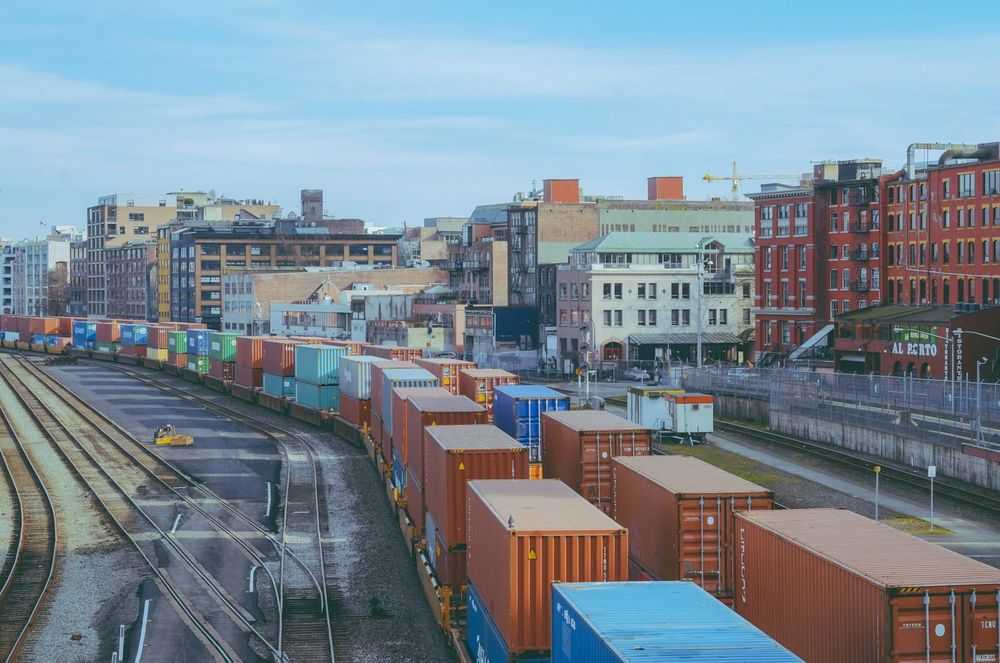
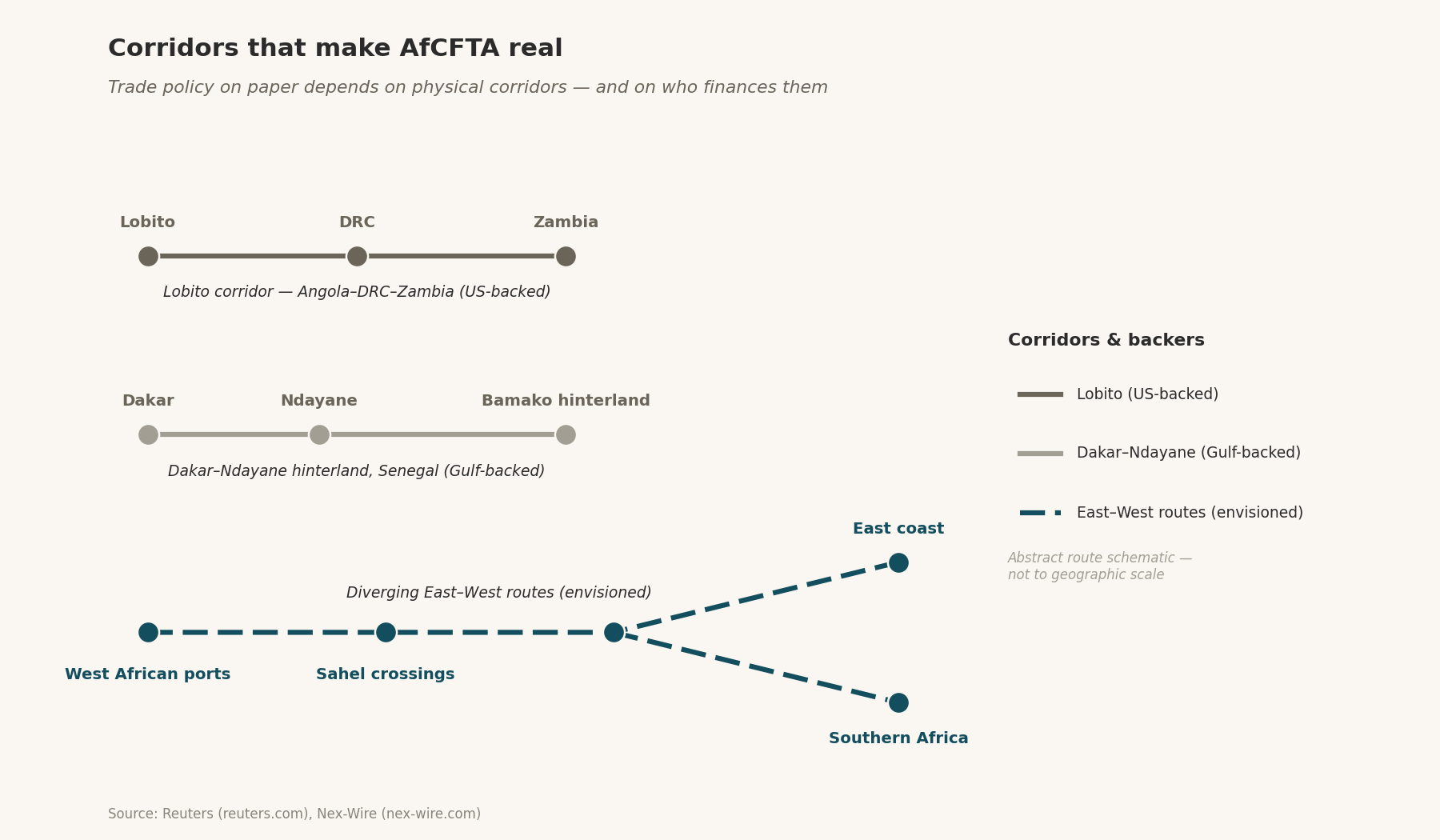
The most useful way to understand AfCFTA in 2026 is corridor by corridor. Trade-volume growth is producing “regional divergence” that is “reshaping East-West corridors,” according to trade-tracking analysis (Nex-Wire). This is why physical infrastructure and continental trade policy are inseparable. The Lobito Corridor, for instance, is explicitly intended not just to export minerals but to carry Angolan and Zambian agricultural goods and deepen intra-regional trade — a concrete instance of AfCFTA’s logic requiring rail to become real (see Articles 4 and 7) (Reuters). A tariff cut is worthless if the goods cannot physically and affordably reach the market the tariff cut opened.
Why corridors matter more than tariffs
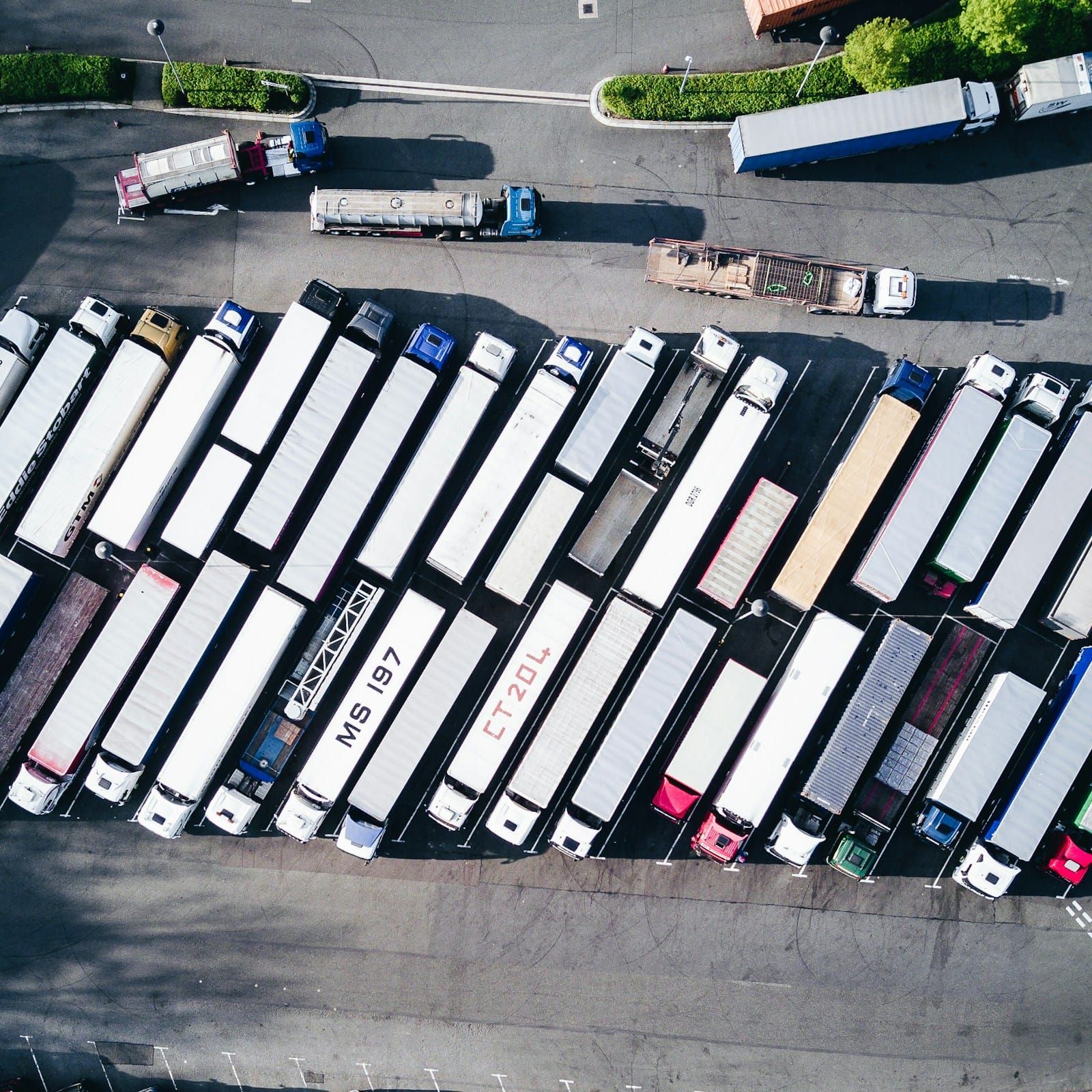
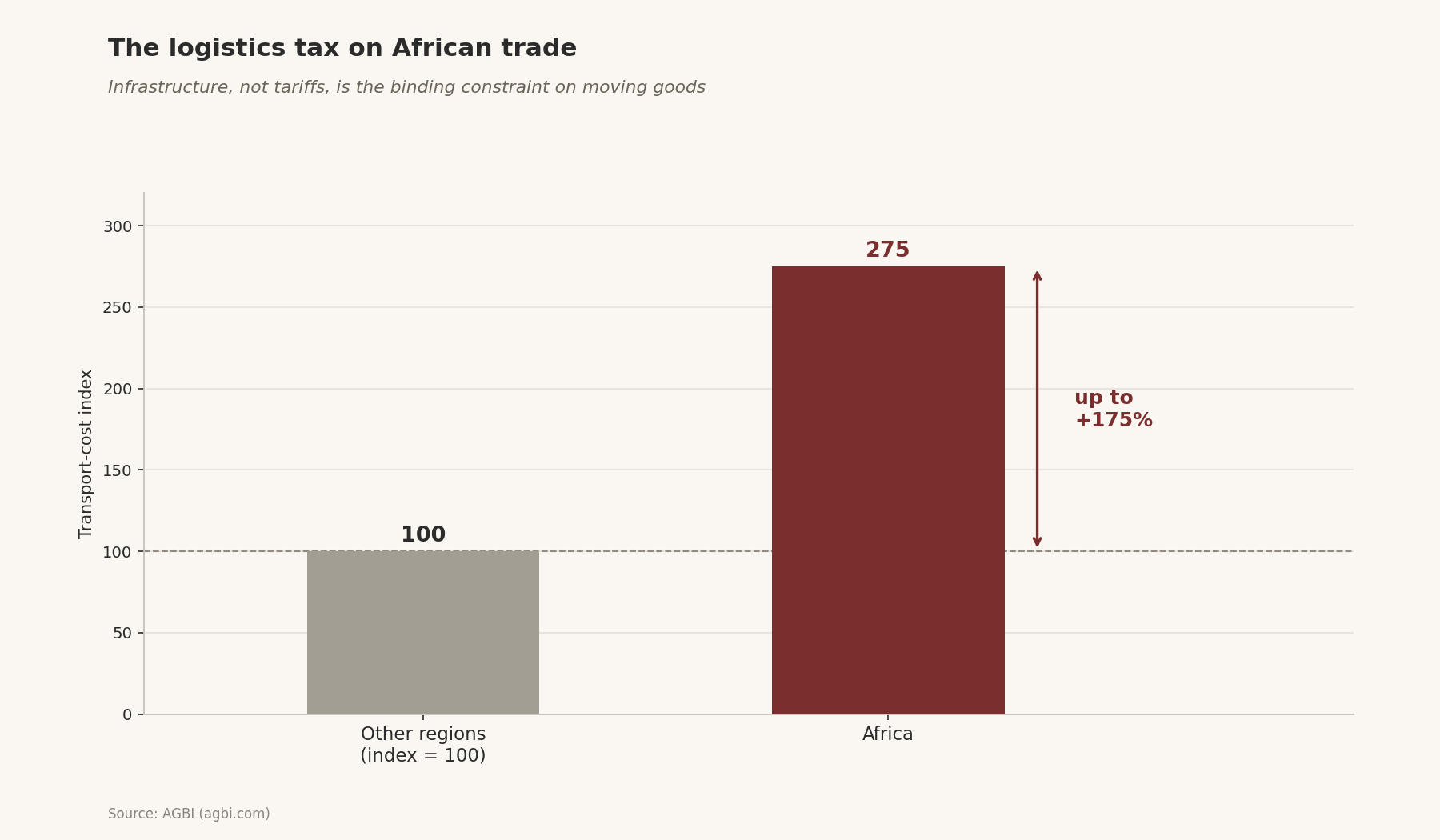
Tariff schedules are necessary but not sufficient. African transport costs run up to 175% higher than in other parts of the world — a structural tax on intra-African trade that no tariff cut can offset (AGBI). If moving goods across a border costs nearly twice what it costs elsewhere, eliminating a 10% or 20% tariff barely dents the total cost of trade. This is why the surge of port and rail investment — from the US (Lobito), the Gulf (DP World, AD Ports across 15+ ports; see Article 10), and others — is arguably more decisive for AfCFTA’s success than the trade agreement itself (DP World; allAfrica). A free-trade area without cheap, reliable logistics is a legal fiction.
The corollary is uncomfortable: much of the infrastructure that will make AfCFTA real is being built and partly owned by external powers pursuing their own strategic aims. Whether that infrastructure ultimately serves intra-African trade or merely accelerates extraction toward foreign markets depends on how African governments negotiate its use.
The Angola angle
For Angola, AfCFTA is a diversification instrument. A country trying to escape oil dependence needs markets for whatever it produces next, and a continental market of hundreds of millions is the natural destination for Angolan non-oil exports — the sector that grew 6.2% in Q1 2026 (see Articles 1 and 2) (The Rio Times). Angola’s positioning as an Atlantic logistics hub via Lobito is, in effect, a bet that it can become an AfCFTA node — a gateway through which regional trade flows — rather than just an oil exporter (Al Jazeera). For Luanda, continental trade and physical corridors are two halves of the same diversification strategy.
The honest assessment
AfCFTA’s promise is enormous and its progress is real but partial. The 2026 reality is a mosaic: intra-African trade is growing and shifting toward manufactured and processed goods, some countries have domesticated and are trading under new tariff schedules, corridors are diverging, and logistics costs remain the binding constraint. The project’s success will not be announced in a single triumphant statistic — it will accumulate corridor by corridor, customs post by customs post, as tariff cuts meet functioning infrastructure and as more members translate signatures into enforced law.
The New Axis read
The lazy way to cover AfCFTA is to quote the theoretical size of the market and call it transformative. The honest way is to ask, on any given route: has the country domesticated the agreement, does the corridor exist, and can goods actually move cheaply? On that granular test, 2026 shows genuine progress in pockets — a 10% rise in intra-African trade, a shift toward manufactured goods — and persistent friction everywhere else, with the intra-African share still stuck near 16%. AfCFTA is not a destination Africa has reached. It is a construction site — and the most important work is being done not in trade ministries but on railway lines and at border posts.
Charts & visuals
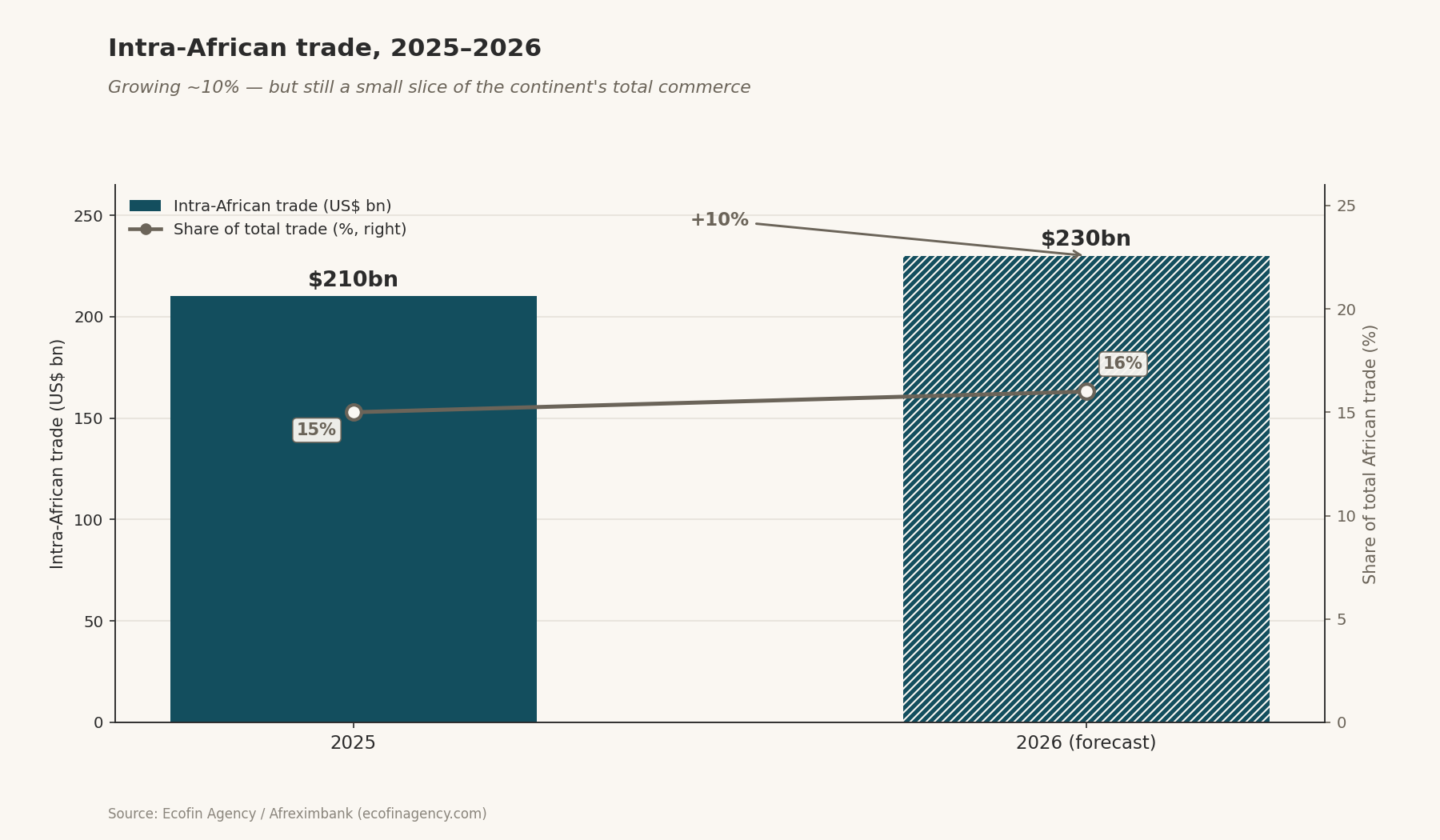
X: AfCFTA is the world’s largest free-trade area by membership. Intra-African trade is set to hit $230bn in 2026 (+10%) — but still just ~16% of the continent’s total. And transport costs run up to 175% higher than elsewhere. The real story is corridor-by-corridor. 🌍
LinkedIn: The African Continental Free Trade Area is easy to praise in the abstract and hard to assess honestly. New Axis Media goes granular: intra-African trade rising to $230bn in 2026 and shifting toward manufactured goods, but still only ~16% of total trade; Ethiopia’s 2025 domestication; and the brutal fact that African transport costs run up to 175% higher than elsewhere. AfCFTA isn’t a destination — it’s a construction site, built on rail and at border posts.
Author
Sign up for New Axis Media newsletters.
Stay up to date with curated collection of our top stories.